
מאמרים, ספרים ואירועים בנושא אזרחות וחינוך לאזרחות
מאמרים

מה לפיז"ה ולחינוך לדמוקרטיה?
מאת: מיטל ברון
לצד הצניחה המדאיגה בהישגיהם של תלמידי ישראל, נתוני מבחני פיז"ה מלמדים גם על קשר הדוק בין איכות הלמידה לבין פיתוח הכישורים הנדרשים לחיים הדמוקרטיים.
10 בספטמבר 2026

תשפ"ז – הזדמנות פז או שיעור חד-פעמי בדמוקרטיה?
מאת: מיטל ברון, דפנה כהנא דולב
אופן היערכות מערכת החינוך לבחירות היא עדשה דרכה אפשר לבחון כיצד תופסת המערכת את תפקידה בהכשרת האזרחים לעתיד. כיצד נערכה המערכת לקראת מערכות בחירות קודמות? ואיך פותרים את המתח שבין הצורך להגן על התלמידים מפני תעמולה, לבין האחריות להכין אותם להשתתפות בהליך הדמוקרטי?
07 בספטמבר 2026

נגן
סדר חדש | פרק 54: אפס באזרחות: איך נכשלנו בחינוך לדמוקרטיה וכיצד ניתן לתקן?
מאת: יוחנן פלסנר, שירה ברביבאי-שחם, רמי הוד
רמי הוד, מנכ"ל המרכז הרעיוני בקרן ברל כצנלסון ומחבר הספר "שעת אפס: איך ויתרנו על החינוך וקיבלנו הפיכה משטרית", מגיע ל"סדר חדש" לשיחת עומק על הקשר שבין מערכת החינוך, זהות ודמוקרטיה. בשיחה עם יוחנן פלסנר ושירה ברביבאי-שחם, הוד מציג את הפערים בתקצוב בין זרמי החינוך, את כניסתן של עמותות חיצוניות לבתי הספר, את הרדיפה הפוליטית אחר מורים ומנהלים ואת המחיר שמשלמת חברה שמניחה שילדים יהפכו מעצמם לאזרחים דמוקרטיים.
בהמשך עוסק הפרק בשאלה האם אפשר להחזיר למערכת החינוך את האחריות לעיצוב אזרחים מעורבים, ביקורתיים ואכפתיים, לפני שיהיה מאוחר מדי?
20 ביולי 2026

מה זה אומר כשדמוקרטיה ליברלית "יורדת מהבגרות באזרחות"?
מאת: ד"ר תמי הופמן
הסרת פרק הדמוקרטיה הליברלית מבחינת הבגרות באזרחות לשנת הלימודים תשפ"ו אמנם לא מוחקת אותו מתוכנית הלימודים, אבל היא מסמנת מגמה ברורה של דחיקת ערכים דמוקרטיים מהותיים לשוליים, דווקא בתקופת משבר חברתי ופוליטי חסר תקדים בישראל.
02 בספטמבר 2025
נגן
מהו סעיף הנכד בחוק השבות? המדריך המלא
סעיף הנכד מקנה את הזכות להתאזרח בישראל גם לילדיהם ולנכדיהם של יהודים – דורות שלישי ורביעי. מדוע רוצים לבטל אותו ומהם נימוקי התומכים בהשארתו בחוק?
לשקול מחדש אם ישנה הצדקה ביטחונית להוראות הגורפות בהצעת חוק האזרחות והכניסה לישראל
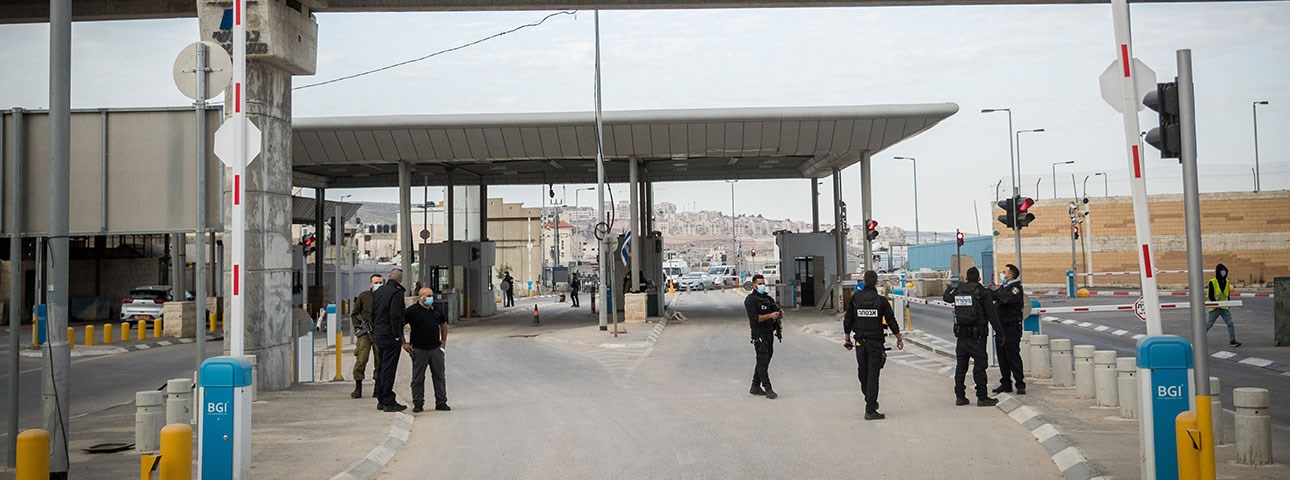
חוקרי המכון סבורים שהגיעה העת לשקול מחדש אם ישנה הצדקה ביטחונית להוראות הגורפות הקבועות בחוק, המונעות מאלפי אזרחים ערבים לממש את זכותם לקיים חיי משפחה בישראל, ללא כל בדיקה פרטנית. מדובר בהסדר הפוגע קשות גם בזכותם של האזרחים הערבים לשוויון, שכן הוא מכוון, הלכה למעשה, כמעט אך ורק נגד קבוצת אזרחים זו
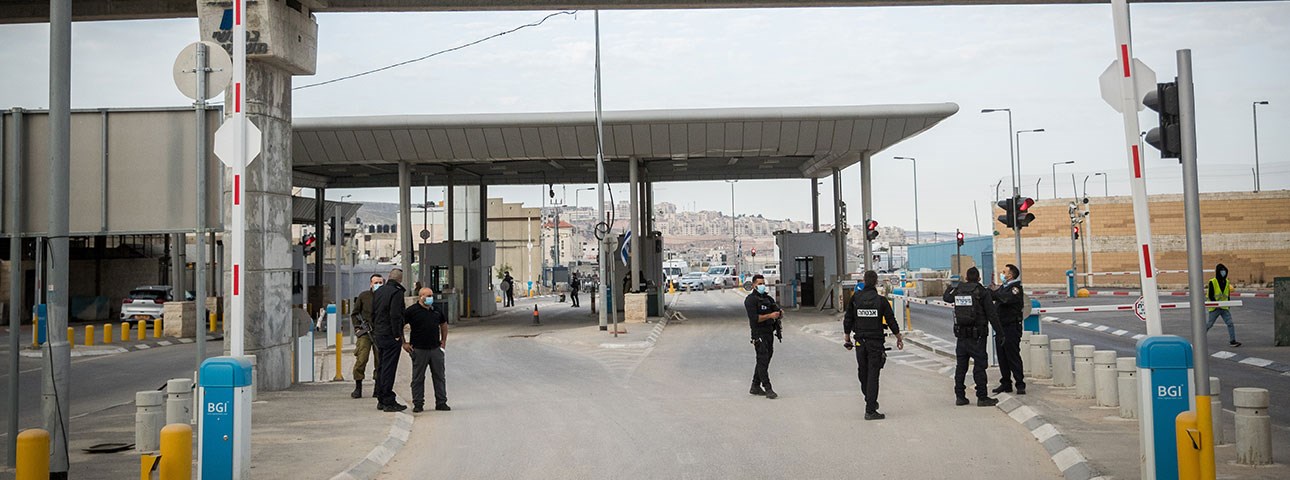
המחלוקת סביב חוק האזרחות והכניסה לישראל
מאת: עו"ד לילה מרגלית
חוק האזרחות והכניסה לישראל קובע כי לא יוענקו היתרי שהייה בישראל לתושבי השטחים הפלסטינים או לאזרחים או תושבים של מספר מדינות עוינות. תוקפו הוארך מדי שנה, והוויכוח הנוכחי עוסק בהצעת הממשלה להאריכו בשנה נוספת. האם הוא נחוץ מבחינה ביטחונית ומה משמעות אי הארכת החוק?
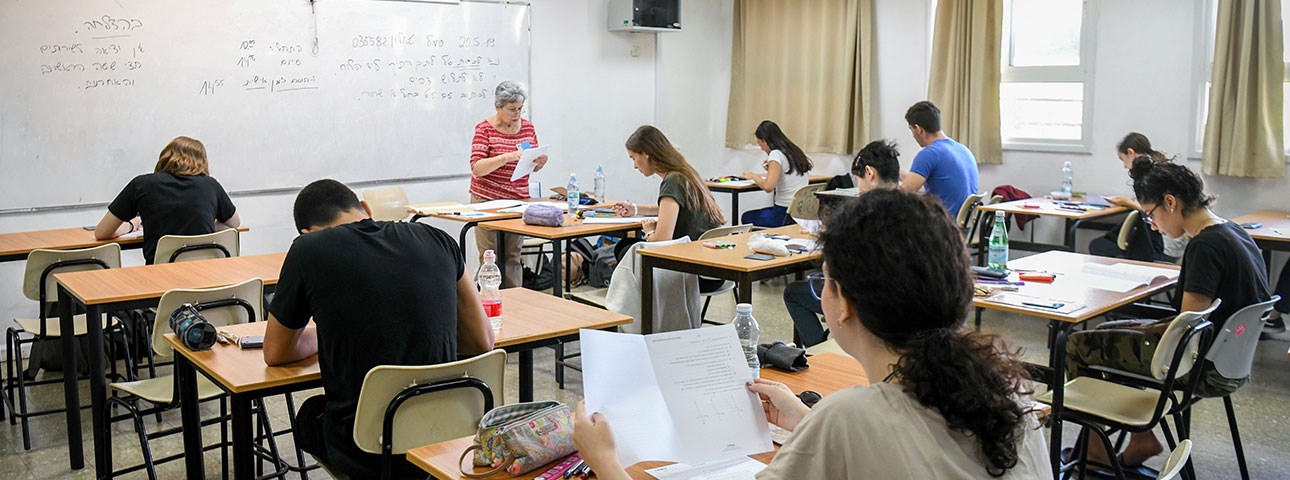
זה הזמן למהלך נחוש במערכת החינוך
מאת: ד"ר תמי הופמן
האירועים האלימים, ההסתה והגזענות שחווינו בשבועות האחרונים ברחבי הארץ, הם תוצאה ישירה של היעדר מדיניות ברורה לחינוך לפלורליזם וערכי הדמוקרטיה במערכת החינוך. כעת נדרשת תכנית פעולה להנחלת ערכים לאזרחות משותפת, חוסן לאומי ורב תרבותיות
על נאמנות, אזרחות ומשפחה
יש הצדקה לדרוש נאמנות למדינה ממי שמבקש להתאזרח בה, אולם סירוב לגנות בן משפחה איננו שקול לחוסר נאמנות או לתמיכה במעשה שעשה. על כן סירובה של המדינה להעניק לכרים חשים אזרחות ישראלית, על רקע סירובו להתנער מאחותו, שמרצה עונש מאסר על רקע מעורבותה בפיגוע טרור - אינו מוצדק
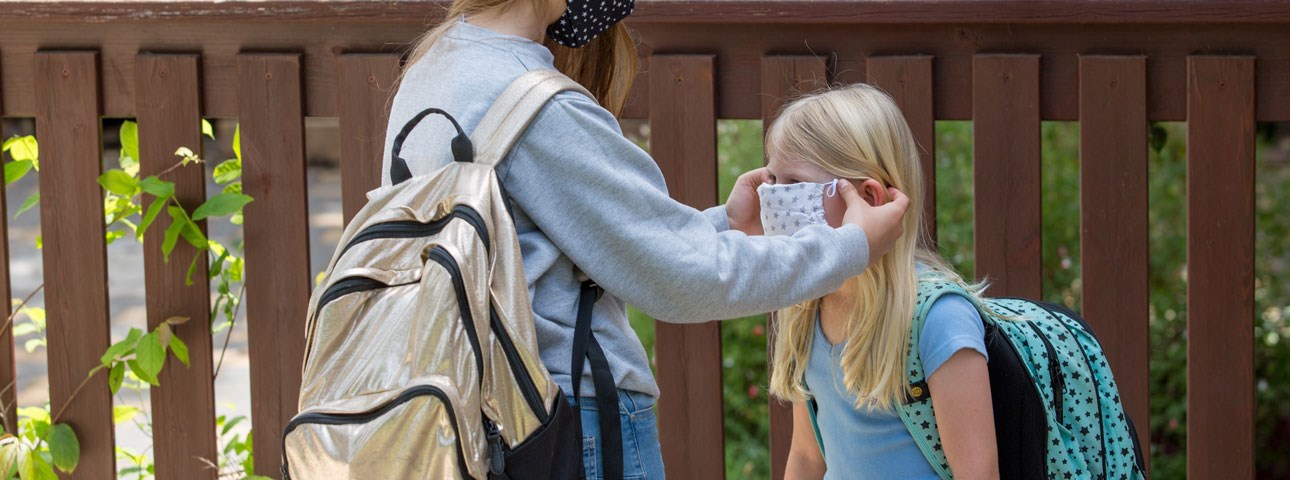
חינוך לדמוקרטיה במערכת החינוך - תובנות ישנות לאור משבר חדש
מאת: ד"ר תמי הופמן
משבר הקורונה, על הצעדים החריגים ביותר שננקטו כדי למגרו, מחדד את ההבנה שההתמודדות עמו קשורה גם לאופן שבו אזרחי המדינה מבינים מהי דמוקרטיה, מהם מוסדות מתפקדים, ומה החשיבות של המחויבות לערכים דמוקרטיים לחוסן הדמוקרטי והחברתי. לנוכח זאת מודגשת חשיבות הקניית חינוך לדמוקרטיה במובנה המהותי במסגרת מערכת החינוך
שתיקת המחנכים
מאת: ד"ר תמי הופמן
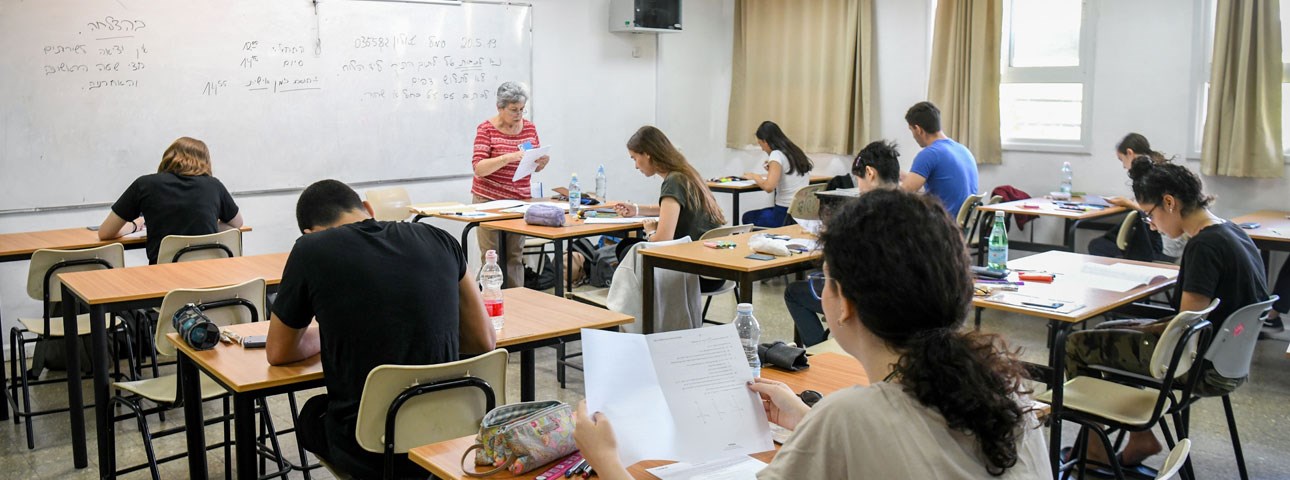
כמה מבין המחנכים או המחנכות בבתי הספר של חטיבות הביניים או התיכונים ידברו עם התלמידים על חסינות, תפקידו של היועץ המשפטי לממשלה בתקופה זו של בחירות על רקע כתבי אישום, ועל האפשרות שלא נגיע לבחירות רביעיות? שתיקתה של מערכת החינוך ברגעים חשובים אלה, רועמת
מופע חד פעמי של חינוך לדמוקרטיה
מאת: ד"ר תמי הופמן
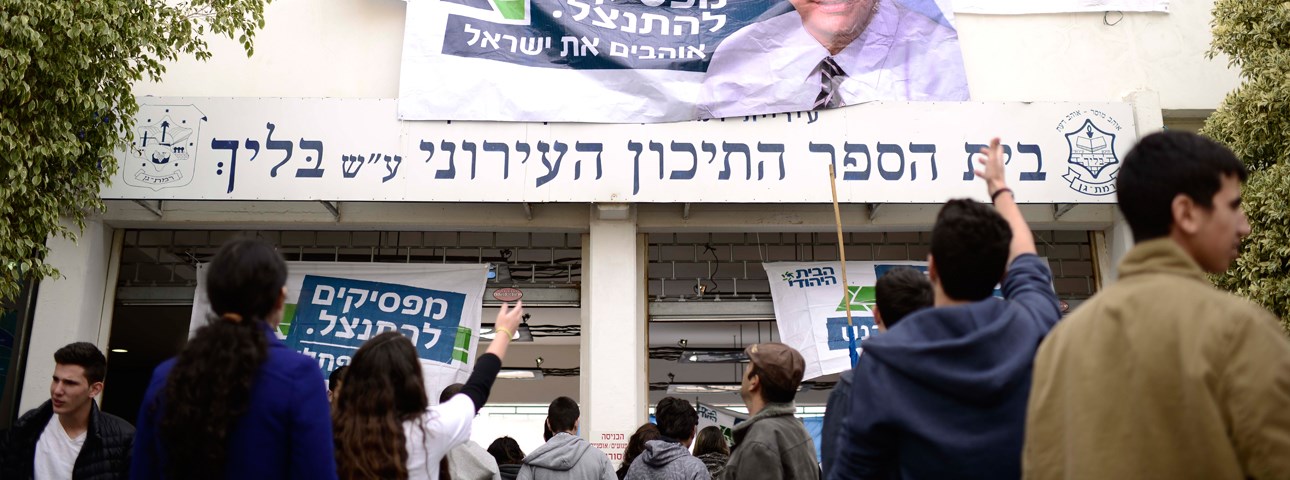
תופעת הפאנלים המדמים בחירות בתיכונים ברחבי הארץ חשובה ומבורכת, אך איננה מספיקה על מנת לחנך את דור הבוחרים הבא על ערכי הדמוקרטיה הרבים והרחבים, ולמעשה מצמצמת את הדמוקרטיה לכדי פעולה אחת שנעשית אחת לארבע שנים
נגן
חרדים לשירות האזרחי?
מאת: ד"ר אסף מלחי
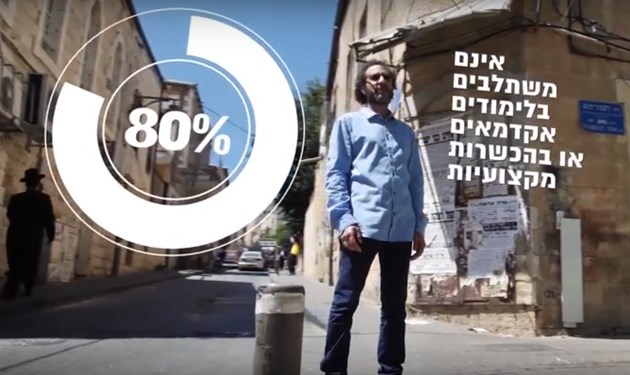
עשור להקמת השירות האזרחי לציבור החרדי, הגיע הזמן לשאול: האם שילוב החרדים בשירות האזרחי יעיל? עם פחות ממחצית מבוגרי השירות האזרחי שמשתלבים לאחר מכן בשוק העבודה, נראה כי התוכנית אינה משיגה את מטרותיה
לעצור את מלחמת האחים
מאת: יאיר שלג
השמאל והחילונים יקצינו את עמדותיהם, הימין והדתיים יקצינו בתגובה, והתוצאה המובטחת תהיה מסלול התנגשות מסוכן, עד כדי מלחמת אחים. אדרבה, דווקא מול הקצנה של היריב צריך לשמור מכל משמר על העמדה הראויה מלכתחילה, העמדה המאוזנת. רק עמדה כזו גם תצדיק תביעה מהיריב להגיב באופן דומה, וגם תמנע את הפיצוץ בין המחנות
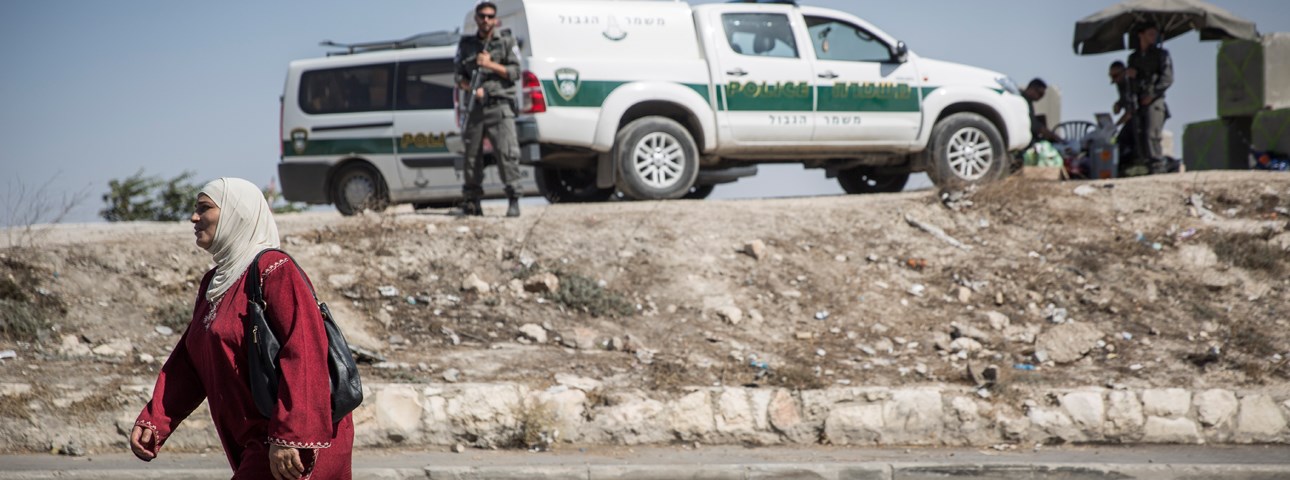
בנים אכלו בוסר ושיני אימהות תקהינה?
בשיאו של גל הפיגועים שכונה "אינתיפאדת הבודדים", באוקטובר 2015, מוסטפה חטיב, תושב ירושלים בן 17, ביצע פיגוע דקירה בו נפצע קל שוטר מג"ב האם הדבר מצדיק לשלול את רישיון הישיבה בישראל של אמו של המחבל? המוקד להגנת הפרט, שייצג את האם בהליך, רואה בפרקטיקה שנפסלה בערר ענישה קולקטיבית. האמנם ניתן לתאר כך את הניסיון לשלילת מעמד אמו של המחבל?
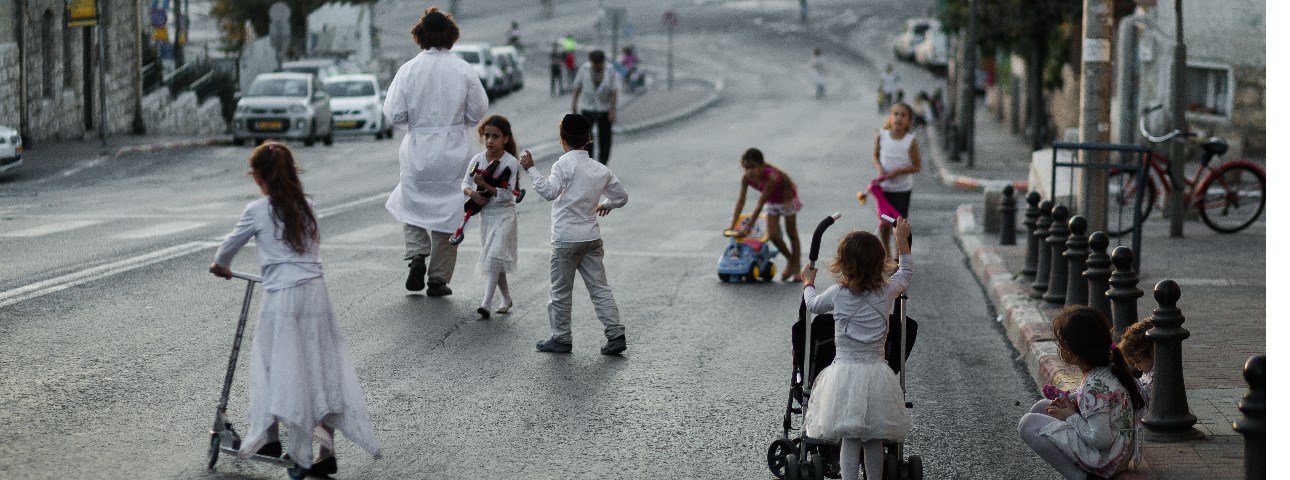
אשמנו? בגדנו? / סולידאריות ישראלית
מאת: פרופ' ידידיה שטרן
וידוי, במהותו, הוא אקט של חשיפה, ולכן בעל אופי פרטי במיוחד. ברגיל, אדם אינו מפיץ דיבתו רעה והווידוי נאמר בחביון התפילה הפרטית. אבל, כמה מפתיע, הווידוי שבתפילה מנוסח דווקא בלשון רבים: אנחנו אשמנו. הדבר משקף תודעה קבוצתית של המתוודה. החטא של האחד נזקף גם לחובת חברו – בבחינת ערבות הדדית או אחריות מיניסטריאלית של בני הקבוצה למעשים של הפרט. ימים נוראים לפנינו, והאחריות המשותפת הצרובה במסורת היהודית, היא מסודות ההצלחה של מדינת ישראל
לקראת אזרחות משותפת
מאת: פרופ' ידידיה שטרן, מייקל לויטס
לקראת יום ההולדת השבעים של המדינה יש לפעול לעיצוב יום אזרחי מאחד ובו סדר היום הישראלי הסוער, רווי המחלוקות, יוחלף באותו יום בשיחה על המכנה המשותף. נחגוג בו את הצלחתנו לקיים דמוקרטיה חיונית, היחידה במזרח התיכון, תוך הדגשת המאמצים לתת תוכן מהותי לסולידאריות הכלל-ישראלית.
הפרדת רשויות או חלוקה של סמכויות
בשנים האחרונות מתפשט שימוש שגוי במונח "הפרדת רשויות", שסותר את מהותו האמתית של המונח. ממונח המייצג עקרון יסוד בדמוקרטיה, שתכליתו לשרת את חירות האזרחים, הוא הפך לקרדום לחפור בו כדי לפגוע בדמוקרטיה.
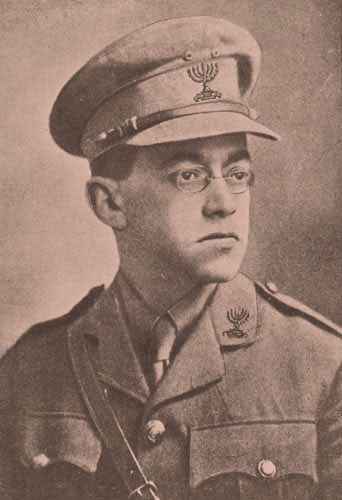
מה היה אומר ז'בוטינסקי על הכנסת ה-20?
מאת: ד"ר עמיר פוקס
ז'בוטינסקי היה מגדולי הוגי הדעות הציונים. בעיניי - הגדול שבהם. מי ייתן וקברניטי המדינה, ואזרחיה, יעיינו בכתביו ויאמצו משם את משנתו הליברלית-דמוקרטית.
יום הדמוקרטיה הבינלאומי- מבט על ישראל
מאת: פרופ' מרדכי קרמניצר
חיזוק הדמוקרטיה שלנו מחייב מאמץ ציבורי מקיף. במסגרת מהלך יסודי וכולל כזה, הנחוץ לנו כאוויר לנשימה, ראוי יהיה לציין את יום הדמוקרטיה הבינלאומי. יום כזה יאפשר לציין ולהבליט את הערכים הבסיסיים המשותפים לרוב מניינה ובניינה של החברה הישראלית, שהם כה חיוניים לקיומה, ושכה מעט נעשה כדי לטפחם ולהטמיעם.
הכרזה אוניברסלית על הדמוקרטיה
יום הדמוקרטיה הבינלאומי יחול כמדי שנה ב-15 לספטמבר, בהמשך להכרזת האו"ם בנושא שאותה תרגמנו לצורך הנגשה לכלל הציבור. מסקירה המבוססת על מדדים בינלאומיים, נמצא שלנו בישראל יש סיבה להתגאות בדמוקרטיה שלנו אך כמובן אל לנו לנוח על זרי הדפנה.
טרגדיית הזרמים בחינוך בישראל
מאת: ד"ר שוקי פרידמן
השבטיות במדינת ישראל של היום, הפיצול לזרמים ותתי זרמים אידיאולוגיים, השבר החברתי, שנאת האחר, וחוסר היכולת להסכים על שום דבר כמעט, מסכנת את החברה. חובה על קברניטי המדינה, ומערכת החינוך בפרט לפעול לצמצום מספר הזרמים ותתי הזרמים. לפעול להאחדה ולא לסגרגציה נוספת. ליצור מכנה משותף אם לא על ספסל הלימודים, לפחות בליבת תכניות הלימודים.
חוק חינוך ממלכתי וספר האזרחות
מאת: פרופ' מרדכי קרמניצר
החינוך הממלכתי אמור לפי החוק להעניק שוויון הזדמנויות לכול ילד וילדה אולם הספר לאזרחות הוא דוגמה מביכה כיצד נמנעים מביקורת על השלטון ואף מטייחים את מעשיו הראויים לביקורת, במיוחד בכול הנוגע לאפלייתם לרעה של האזרחים הערבים או באשר לאופן קליטתם של היהודים המזרחיים בראשית שנותיה של המדינה.
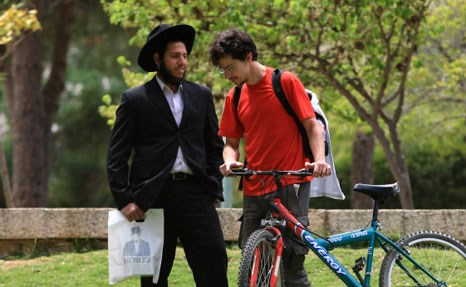
אחים למסע משותף
מאת: פרופ' ידידיה שטרן
אנחנו משוחחים את עצמנו לדעת במונולוגים ללא דיאלוגים, בטיעונים מקבילים שלעולם לא ייפגשו, בפרצופים פעורי פה ונעדרי אוזניים. מחליקים מטה במדרון שסופו חורבן.
ביטול מצעד הגאווה בב"ש: כניעה לבריונות
מאת: פרופ' מרדכי קרמניצר
בית המשפט העליון זיכה בשבוע שעבר את הבריונות עם קביעתו שאין לקיים את מצעד הגאווה בבאר שבע. הדיון העיקרי בדבר חשש מאלימות, איפשר לבריונות לרמוס את חופש ההפגנה.

הסבה מקצועית
משרד החינוך צריך לתת אופק לצעירים הערבים בהיי-טק, בכלכלה, בסיעוד ובתעשיית הגז המתפתחת בצפון. בתקופה האחרונה, נעשו ניסיונות לשיבוץ מורים ערבים במגזר היהודי ואף הוגדרו יעדים בנושא שבהם עומד משרד החינוך באופן חלקי. צעד זה ללא תמיכה וקידום ראויים לא יצליח להביא לשיפור המצב ורק יגביר את התסכול בקרב הציבור הערבי.

חוק העדפת יוצאי צבא בקבלה לעבודה
הצעה פופוליסטית, הפוגעת בעיקרון השוויון ובאוכלוסיות שהמדינה מנסה לשלב בשוק התעסוקה; תגמול למשרתים נדרש להיעשות באופן מערכתי ולא על ידי "מירוץ" חקיקה פרטית בלתי מנומקת לשם עשיית הון פוליטי.
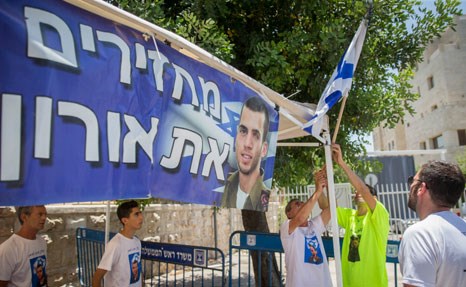
פקודת חניבעל
מרבית הטענות ביחס לפקודת "חניבעל" השנויה במחלוקת מצביעות על ההבנה הבלתי רשמית שהשתרשה בקרב החיילים ומפקדיהם ולפיה בכל מחיר יש לסכל חטיפת חייל.

פוליטיקה ללא מתווכים
מאת: פרופ' ידידיה שטרן
מקרה הבריטי, הפוליטיקה הממסדית הובסה באמצעות מנגנון ההכרעה העתיק - הדמוקרטיה הישירה שמתווה דרך לקבלת החלטות פופוליסטיות. המענה לכך הוא הדמוקרטיה הייצוגית שמאפשרת לאזרח לבחור את המחליטים הטובים ביותר עבורו.
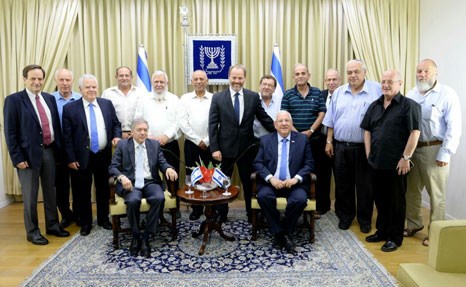
פורום השרים לשעבר בבית הנשיא
פורום השרים לשעבר של המכון הישראלי לדמוקרטיה, התכנס היום (ב') בבית הנשיא לדיון במעמד נשיא המדינה, ראובן (רובי) ריבלין. בפגישה הוצגה לנשיא פעילות הפורום בחצי השנה האחרונה מאז הקמתו והתקיים שיח אודות מטרותיו, חשיבותו לציבור הישראלי והסוגיות שנידונו עד כה.
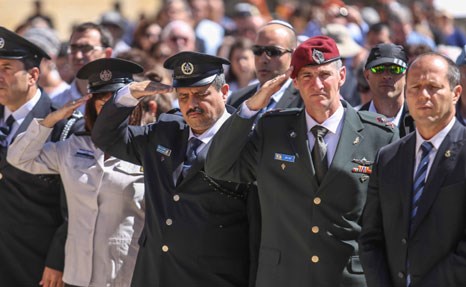
צבא, עם ושלטון
מאת: פרופ' מרדכי קרמניצר
ההשוואה שנעשתה על ידי גולן היא לא לשואה, אלא לתהליכים החברתיים שהתרחשו באירופה אחרי מלחמת העולם הראשונה. אין איש רשאי להשתיק שומר ישראל מפני התרעה פומבית על סכנה חברתית לרוחו של הצבא.
מדד האושר היהודי
מאת: פרופ' ידידיה שטרן
יום העצמאות ה-68 של המדינה משכיח את "תוגת הישראליות" ושם באור הזרקורים את המגמות החברתיות והכלכליות החיוביות שפוקדות את עמנו. אין ספק כי בימים אלו, ישראל מדורגת במקום הראשון במדד האושר היהודי של כל הדורות כולם.
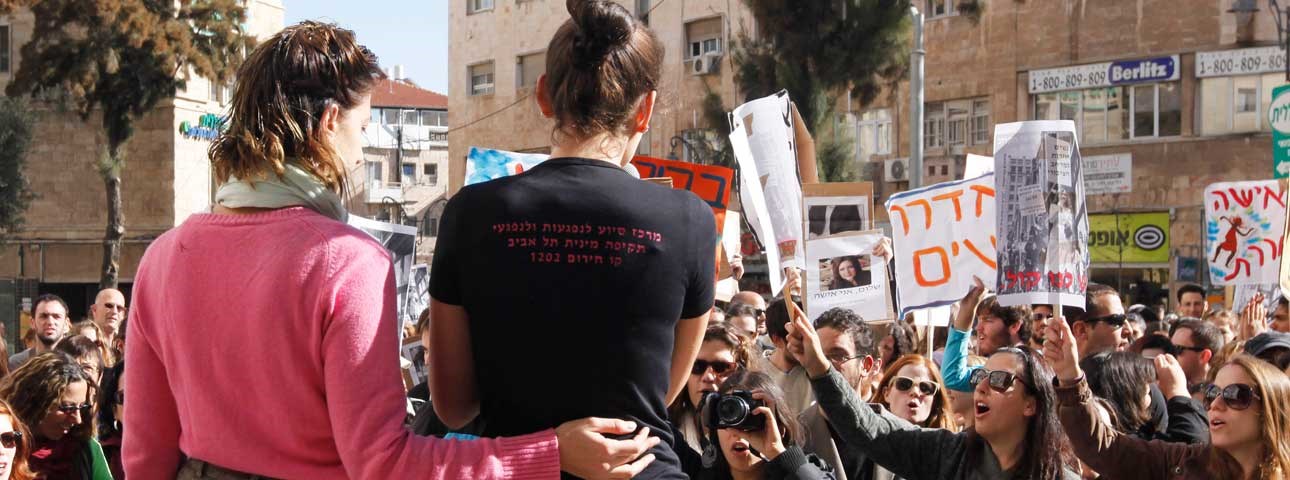
הדרת נשים פוגעת בכולנו
מאת: פרופ' ידידיה שטרן
פרופ' ידידיה שטרן, סגן נשיא המכון ולשעבר דיקן הפקולטה למשפטים באוניברסיטת בר-אילן, מביע במאמר בידיעות אחרונות עמדת נחרצת נגד ההחלטה שלא לאפשר שירת נשים במוסד בטקס יום השואה. לפי פרופ' שטרן: "הדרת נשים משפילה ומבזה אותן ופוגעת בכבוד האדם שלהן.
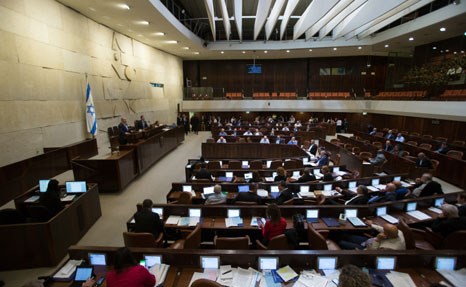
גורל הדמוקרטיה בידינו
מאת: פרופ' מרדכי קרמניצר
אסור לשתוק לנוכח הצעות החוק האחרונות, שגם אם לא יתקבלו, מכרסמות בערכי השוויון והממלכתיות.
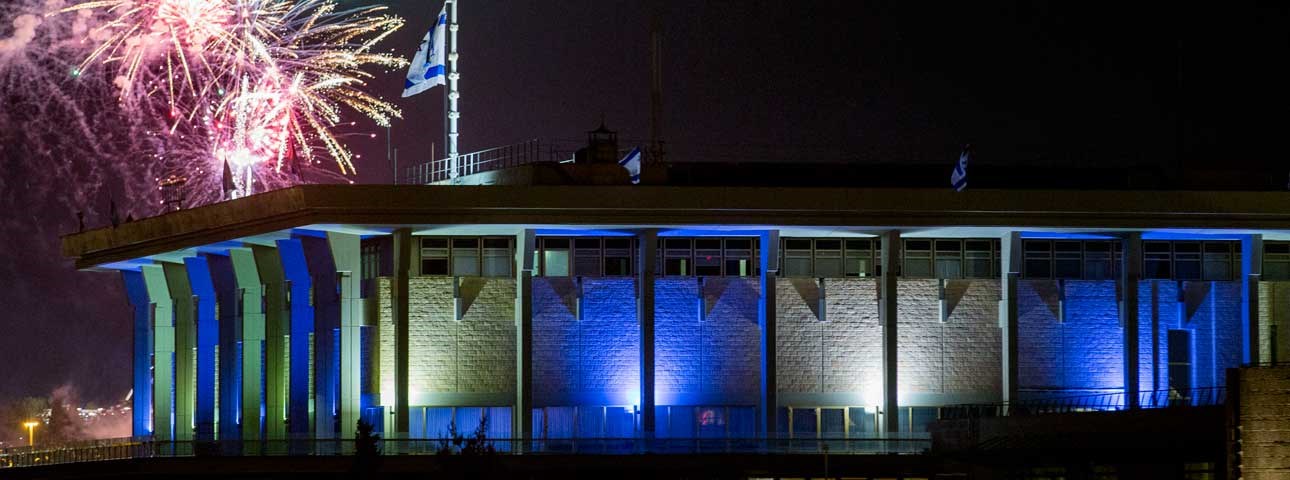
עשרים וחמישה האירועים שעיצבו את פני הדמוקרטיה הישראלית
לכבוד יום העצמאות ה-68 למדינת ישראל, פרויקט מיוחד של המכון הישראלי לדמוקרטיה יחד עם ynet, מציינים את 25 האירועים המשמעותיים ביותר שתרמו לעיצובה של הדמוקרטיה הישראלית.
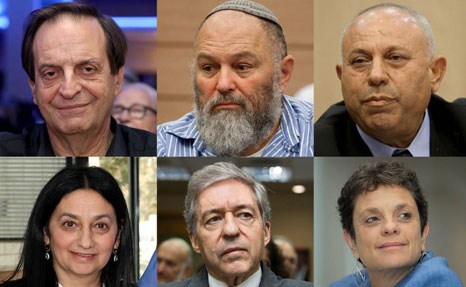
פורום שרים לשעבר על רקע פרשת עזריה: "מגנים את ההסתה כנגד שר הביטחון"
פורום שרים לשעבר המתכנס במכון הישראלי לדמוקרטיה מתייצב לצד שר הביטחון: "הנורמה לפיה אין פוגעים באויב שנוטרל מבטאת ערכי מוסר ומשפט אוניברסליים ויהודים"
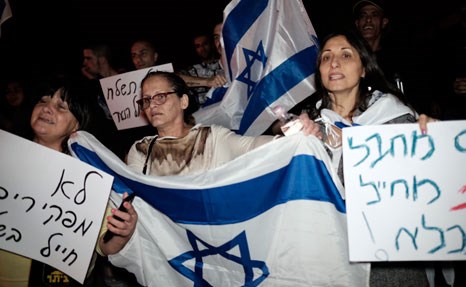
האם הטרור ינצח?
מאת: פרופ' ידידיה שטרן
האיום הסכינאי האמיתי טמון בשיבוש המצפן המוסרי שלנו. נדרשת מנהיגות אחראית שלא תיכנע לרוח הרעה אלא תכניע אותה. אסור להניח למושכלות יסוד הומניסטיות, שמבדילות אותנו מאויבינו, להפוך לשק חבטות של פחדים ושל אינטרסים פוליטיים.

מדינת פלנגות
מאת: פרופ' ידידיה שטרן
השבועות האחרונים מדגימים את בלבול המערכות שאנו חיים בו בשלוש זירות ענק: כלכלה, צבא ודת. כל אחת מהזירות מציפה שבר עומק, כרוני, בחברה הישראלית: השבר החוקתי, השבר המוסרי והשבר הדתי.
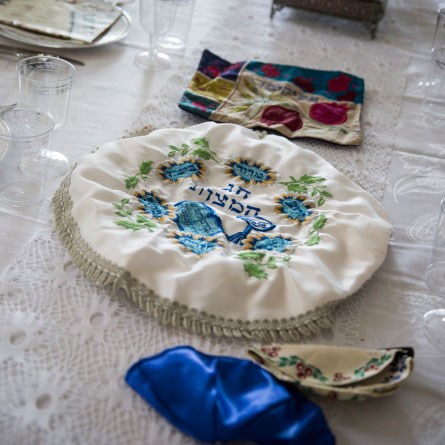
בין נס להתנסות
מאת: פרופ' ידידיה שטרן
בימים בהם אין ניסים גלויים, אנו נדרשים להתמודד אל מול האתגרים המוצבים בפנינו בצורה אחראית ואוטונומית, כקבוצה וכפרט. סיפור יציאת מצרים טבע את חותמו בנפש האומה ומייצג את האיזון הנדרש בין ההבנה כי אנו מתקיימים במישור רחב יותר לבין הצורך לבחינת מציאות ריאלית, דבר המאפשר את המשך קיומנו כעם.
לקחי הארבעה בנובמבר או הסכנה: דיכוטומיה
מאת: אדר כהן
האם האופי היהודי והאופי הדמוקרטי של ישראל הם שניים שמסוגלים ללכת יחדו? זו אחת משאלות העומק, שמרימה ראשה שוב בימים אלו, ומעסיקה במיוחד את אנשי החינוך שבקרבנו.
תכלה שנה וקללותיה
מאת: ד"ר עמיר פוקס
שנת לימודים חדשה עומדת בפתח אחרי קיץ רווי שנאה וגזענות שמלמד על פגיעה ב DNA הדמוקרטי שלנו. אחד האתגרים הגדולים הוא להחזיר את הדמוקרטיה במשמעותה המלאה ללב ההסכמה החברתית והחינוכית הישראלית. זהו תפקידה של ההנהגה המדינית ושל ההנהגה החינוכית להחזיר עטרה ליושנה.
חינוך לערכים דמוקרטיים ומאבק בגזענות באמצעות חינוך
מאת: נועם לאוטמן,
הדמוקרטיה בישראל מפגינה סימני חולשה והחברה הישראלית שסועה ומסוכסכת בתוך עצמה. בין הגורמים לכך נמצאת מערכת החינוך המעצבת את אזרחי העתיד. כל עוד היא מעמידה את תלמידיה בפני שתי חלופות מתחרות - מדינת לאום או "מדינת כל אזרחיה" - אין סיכוי לחינוך דמוקרטי בישראל.
לחירות משמעות מיוחדת
מאת: פרופ' מרדכי קרמניצר
אויביה הגדולים של החירות הם הפחד, העדר התקווה, השנאה, הסכסכנות והפלגנות, דעותינו הקדומות אודות ה"אחרים" והכניעה הבלתי ביקורתית למוסכמות. שחרור עצמנו מאחריות לגורלנו, כביכול אין ידינו משגבת לעצב את עתידנו, הוא ביטוי קיצוני של העדר חירות. מתחייב מאבק מתמיד במגמות שליליות אלה, על מנת שהחירות תגבר.
יום הדמוקרטיה / רבין: עכשיו ולדורות
מאת: פרופ' ידידיה שטרן
יום הזיכרון לרצח יצחק רבין ז"ל יכול למלא את החסר אם יהפוך להיות "יום הדמוקרטיה הישראלית". סדר היום הישראלי, העשיר והכאוטי, מדגיש את ההבדלים בינינו. החוויה הדמוקרטית יכולה להיות עשירה ונדרשת מחשבה יצירתית שתדגיש את צבעיה וגווניה. הגאווה המוצדקת שלנו, בהיותנו הדמוקרטיה היחידה באזור, צריכה להיחגג ביום הדמוקרטיה בכל מקום: תכניות לימודים וטקסים ייחודיים, שידורים חגיגיים, תפילות בבתי הכנסת ובמסגדים.
בפעם הבאה לא נגיד "בתדהמה"
מאת: דביר קריב
ב-4 בנובמבר 1995 נרצח יצחק רבין ז"ל, אבל לא רק הוא. נרצח הרבה יותר מאדם. מסיבות רבות נמנענו עד היום כמעט לגמרי מלעסוק כראוי במה שנרצח עוד באותו מוצאי שבת, ולא שאלנו מדוע זה קרה. בעיקר לא עסקנו מספיק בשאלה כיצד לוודא שדבר כזה לא יקרה שוב. העיסוק בכך אינו שיעור בהיסטוריה, הוא נחוץ לשרידותנו כחברה אחת, כאן ועכשיו, לקראת הבאות

לחנך לדמוקרטיה
מאת: ד"ר עמיר פוקס
מתחת לעימות הביטחוני המדאיג ומשבש את חיינו, מסתתר איום משמעותי לא פחות: גל של שנאה, אלימות גזענית מזעזעת. מה שהחל בהתבטאויות איומות ברשתות חברתיות, התגלגל לאלימות ברחובות, לרצח מזעזע ובימים האחרונים גם לאלימות בריונית כלפי מפגינים. למרבה הצער, הפתרון האמיתי היחיד שיוכל להתמודד עם התופעה מן השורש, ייקח שנים. הוא מתחיל ונגמר בחינוך אמיתי לדמוקרטיה מהותית.

"שותפות באחריות" ולא "שוויון בנטל"
מאת: Benjamin Lau
הצעת החוק להפיכת הצבא למקצועי ולא לחובה – שגויה מיסודה. מושג ה-"שוויון בנטל" יתמוסס ברגע שיעמידו את הצעיר הישראלי למבחן הקריירה מול השרות הצבאי. לפי ההלכה היהודית הגיוס לצבא אינו "נטל" אלא "מצוה". אתה מתגייס לצבא כי אתה מבקש לקחת חלק באחריות הקולקטיבית של שיבת העם היהודי לארצו. נכון, לשיטתו של אייכלר הצבא יהפוך להיות פח הזבל של מעוטי יכולת ונוער שוליים.
הערות לסדר/ יורם קניוק
מאת: יאיר שלג
עתירתו של יורם קניוק להירשם כחסר דת מעוררת דיון מסקרן על אודות האופן שבו הגדרת זהותו של אדם בישראל נמדדת אך ורק לפי מוצאו הביולוגי בלי להתחשב כלל בזהותו האמיתית. קראו את מאמרו של יאיר שלג.
העם מחזיר לעצמו ריבונות
מאת: פרופ' מרדכי קרמניצר
חשיבותה של מחאת האוהלים נעוצה בראש ובראשונה ברוח החיים שהפיחה ביסוד האזרחי המשותף לכולנו, ובבסיסו התביעה המוסרית לצדק חברתי. עוד בטרם שככה המחאה יש מקום לבחון את הישגיה ואת יעדיה העתידיים. קראו את מאמרו של מרדכי קרמניצר.
הערות לסדר/ בין בריטניה וישראל
מאת: יאיר שלג
מדוע בישראל אין אלימות חברתית כמו בבריטניה, ומה עלול לגרום לכך שתתפרץ אלימות כזו. יאיר שלג על לקחי לונדון, שעלולים לחכות גם לנו.
סופסוף מחאה מעמדית בישראל?
מאת: ד"ר דנה בלאנדר
מחאות חברתיות בישראל מוכרות לנו מן העבר, אך לרוב היו אלה קווי שבר אחרים: אמונה דתית, השתייכות עדתית וקיפוח מגזרי היו הגורמים שהוציאו המונים לרחובות. האם במחאה הנוכחית אנו עדים סוף סוף להתגבשותו של מעמד ביניים על בסיס כלכלי בישראל?
סדר יום חברתי-כלכלי חדש לישראל
מאת: פרופ' מומי דהן
הצלחתו והיקפו של המאבק כנגד מחירי הדיור ויוקר המחייה מציב את הכלכלה הישראלית בצומת דרכים משמעותית. כדי להצליח ולהפוך את הסיסמאות על צדק חברתי למציאות מציע מומי דהן למקד את המאבק בשלושה תחומים: הגברת המיסוי הישיר על זה העקיף, צמצום הריכוזיות ופתיחת השוק לתחרות אמיתית ואכיפת תנאי העסקה הוגנים בשוק העבודה.
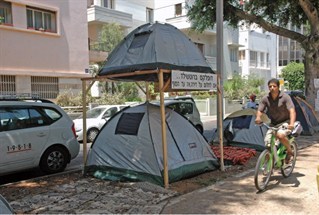
'מחאת האוהלים' – קולו של דור?
מאת: מתן שפי
"מחאת האוהלים" צוברת תאוצה, ובין השיטין עולה בה קול מעניין: הדור הצעיר מוחה נגד דור ההורים – זה שנהנָה מפֵּרות של צמיחה כלכלית ומדיניות רווחה ומשאיר לילדיו שוק עבודה אכזרי, נטול תנאי רווחה וללא אופק לחיים טובים.
מי רוצה להישאר בארץ? הרצון של קבוצות שונות בחברה לחיות בישראל
מאת: Michael Philippov
מי הם הישראלים שרוצים לחיות בארץ גם בעתיד? באילו קבוצות הרצון לחיות במדינה חלש? מי בטוח נשאר: מצביעי ש"ס או מצביעי מרצ? אלה השאלות הנדונות במאמר זה, המבוסס על סקר מדד הדמוקרטיה הישראלית 2007.

חוקה בהסכמה: הושלמה טיוטה מלאה
מאת: Arik Carmon
ההליך החוקתי שמטרתו היא גיבוש חוקה בהסכמה באמצעות דיונים במועצות ציבוריות ואזוריות, הגיע לנקודת ציון חשובה עם כינוס המועצה הציבורית המסכמת, ב 17-18 לפברואר 2005. בכינוס ששודר בשידור חי, דנו משתתפי המועצה על טיוטת החוקה השלמה המשקפת עבודה ארוכה ופשרות מורכבות ומאוזנות אשר גובשו לכדי מסמך אחד. אריק כרמון, נשיא המכון, מספר על המועצה ועל החוקה.
הצעות לפסקת הקדמה לחוקה
מאת: מנחם לוברבוים, פניה עוז - זלצברגר, עמנואל גוטמן, מיכאיל קרייני
נייר רקע לכינוס השישי של המועצה הציבורית.

זכויות וחובות אזרחיות
מאת: צוות המכון הישראלי לדמוקרטיה
נייר רקע לכינוס הראשון של המועצה הציבורית

יש לשקול לבטל השירות האזרחי לחרדים
מאת: ד"ר אסף מלחי
ייתכן שיש לשקול בכובד ראש את ביטולו של השירות האזרחי לחרדים במתכונתו הנוכחית. לחלופין יש לאפשר לחרדים המעוניינים בכך, שירות אזרחי-ביטחוני בלבד במסגרת המשטרה, בכבאות, בשב"ס, במד"א ובאיחוד הצלה. אפשרות זו תוביל להגדלת 'השוויון בנטל', שכן מדובר בשירות בעל ערך סמלי וחברתי גבוה שיאפשר למשרתים (ובני קהילתם) להפיק תועלות אזרחיות, חברתיות וכלכליות-תעסוקתיות
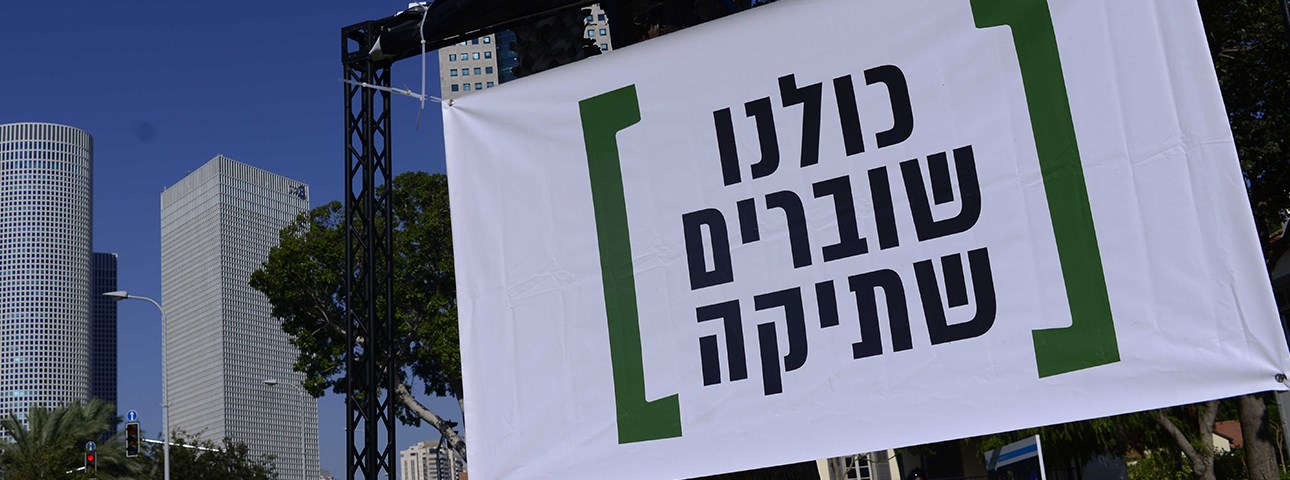
ספוילר- חוק שוברים שתיקה לא יעזור
מאת: עו״ד אלונה וינוגרד
יש עוד הרבה מראות ולילדים שלנו יש את הזכות המלאה להביט בהן ולקבוע אם מה שהם רואים בה הוא מכוער או יפה. האחריות של משרד החינוך היא לא להיות הצנזור אלא המתווך- להעניק למערכת החינוך ודרכה את הכלים לנהל דיון ביקורתי ובונה
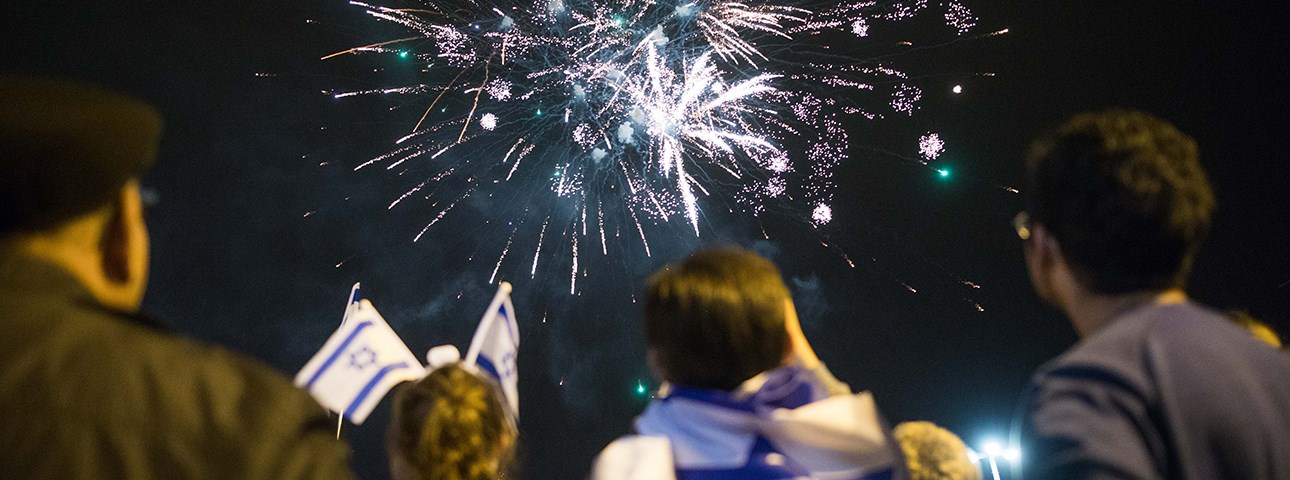
הנס מחייב זהירות
מאת: יאיר שלג
לא במקרה רובנו נרגשים כל כך בימי עצמאות, במיוחד בשנים של תאריכים עגולים להקמת המדינה, כמו השנה. הקמת המדינה אכן נתפסת, גם אצל החילונים שבינינו, כ'נס'. אבל טיבו של נס הוא שאינו מובן מאליו, ומכיוון שכך, יש לשמור עליו מכל משמר, פן ייסוב לאחור
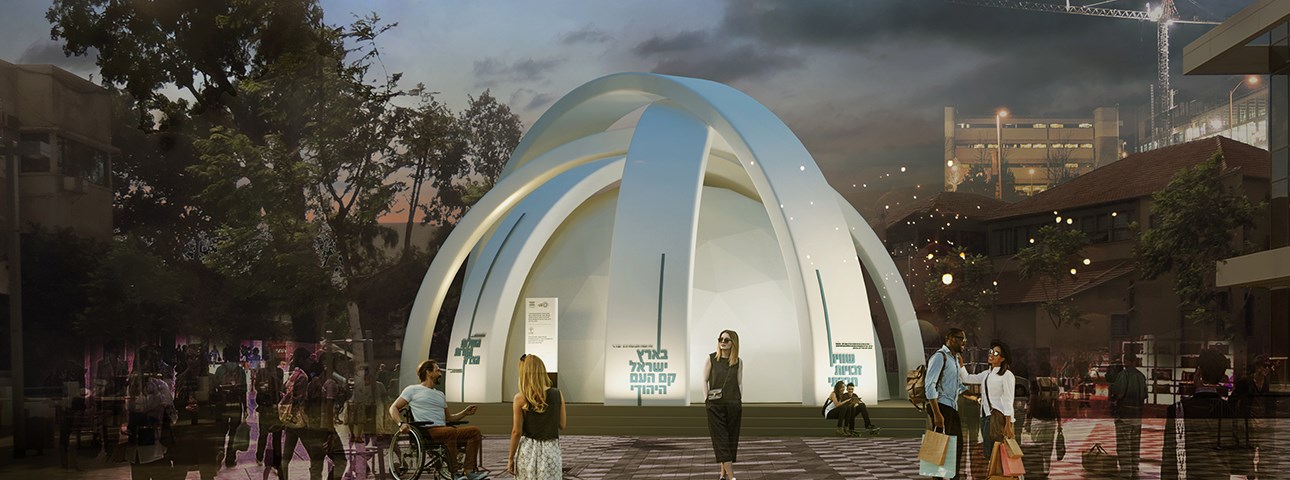
שער הדמוקרטיה הישראלית
יו"ר הכנסת, ח"כ יולי אדלשטיין, ראש עיריית תל אביב-יפו, רון חולדאי ונשיא המכון הישראלי לדמוקרטיה, יוחנן פלסנר חנכו את מיזם "שער הדמוקרטיה הישראלית", מבנה חדשני שבו יוצג סרטון ב-360 מעלות על האירועים שליוו את מדינת ישראל ועל הערכים שבבסיס מגילת העצמאות. המתחם הנמצא ברחוב רוטשילד 1 בת"א, יפתח לקהל הרחב בחינם ערב יום העצמאות
שער הדמוקרטיה הישראלית
מעל ל-70,000 מבקרים ביקרו בשער הדמוקרטיה הישראלית, מיזם מיוחד של המכון הישראלי לדמוקרטיה ועיריית תל-אביב שהוקם לרגל שנת ה-70 למדינת ישראל. השער הציע למבקרים מופע אור-קולי ייחודי ומרגש בטכנולוגיית 360 מעלות אודות האירועים המרכזיים שעיצבו את הדמוקרטיה הישראלית מאז קום המדינה ועד ימינו, במטרה לחזק את ההזדהות של הציבור הישראלי עם ערכי מגילת העצמאות
נגן
ברוכים הבאים בשערי הדמוקרטיה הישראלית!
מאת: יוחנן פלסנר
בשבעים שנותיה ידעה הדמוקרטיה הישראלית אתגרים קשים וכואבים, לצד הישגים מופלאים. האירועים שעיצבו את דמותנו כחברה מלמדים אפוא לא רק על שבריריותה של הדמוקרטיה הישראלית אלא גם על חוסנה. אני מקווה שחוויית שער הדמוקרטיה תעצים את האמון של כולנו בחוסנה של הדמוקרטיה הישראלית ובה בעת תחזק בנו את המחויבות העמוקה להמשך קיומה
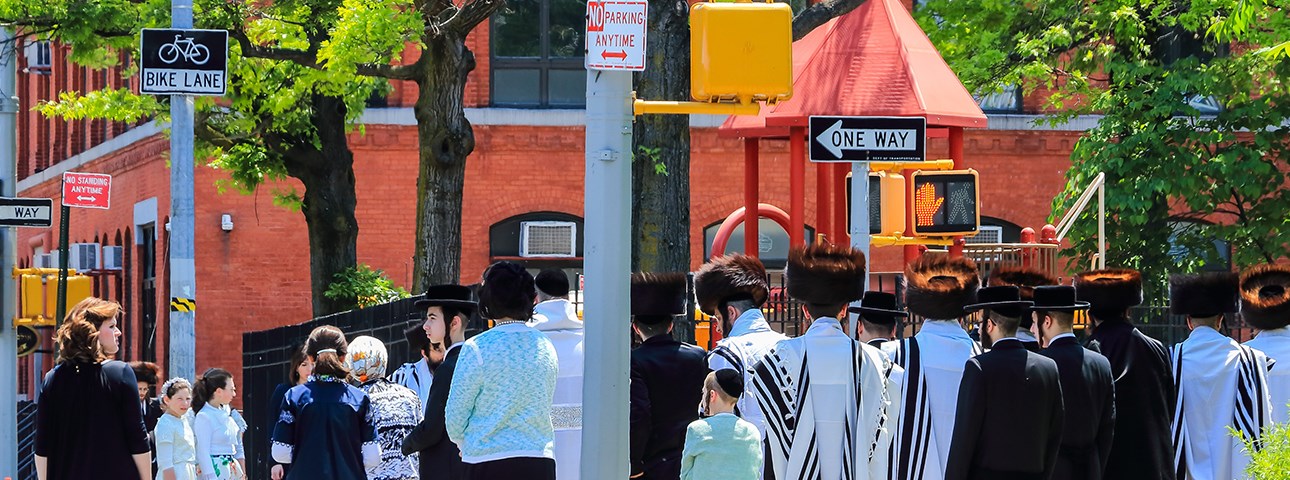
השבט החמישי
מאת: פרופ' ידידיה שטרן
בהשוואה לאזרחי ישראל הערבים, אנו מתייחסים ליהדות התפוצות כבשר מבשרנו, אך כשהדבר נוגע להתנגשות בינה ובין השבט החרדי, אנו מתנכרים לה. האנחנו האזרחי במדינה חייב לכלול את הערבים, והאנחנו הסמלי והאנחנו המשפחתי חייב לכלול את יהודי התפוצות.
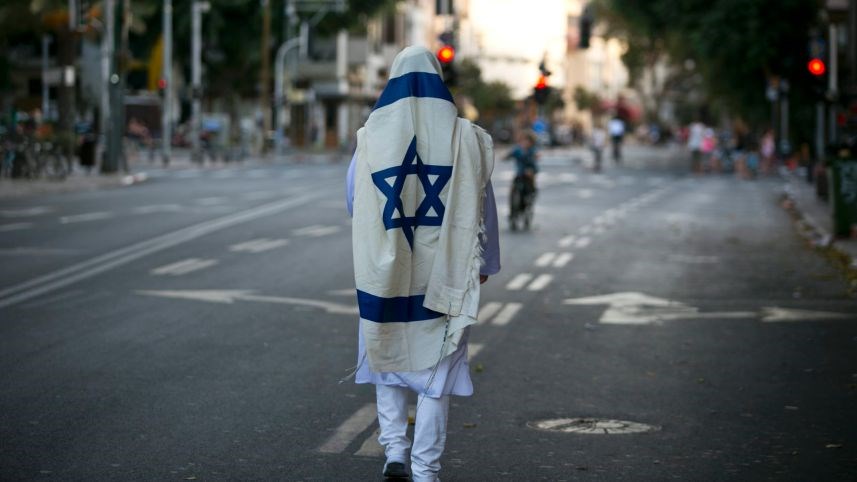
נצלו את יום הכיפורים
מאת: ד"ר שוקי פרידמן
יהודי שחי בישראל ונותן ליום הכיפורים לחלוף כסתם יום של חול, מחמיץ החמצה גדולה. מדינה שעוצרת ליום אחד אבל לא מפיקה מכך משמעות מפספסת. ברמה האישית, זו הזדמנות למבט פנימי במובן הכי פשוט. ברמה הלאומית זו הזדמנות לריסטרט של הטון בדיון הציבורי.
דמוקרטיה פרוצדורלית נוסח מיקי זוהר
מאת: ד"ר עמיר פוקס
תפיסה שצמחה מתוך גימוד הדמוקרטיה ככזו המבטאת שלטון עם, ולא רק שלטון רוב.
שר החינוך או קומיסר החינוך?
מאת: ד"ר עמיר פוקס
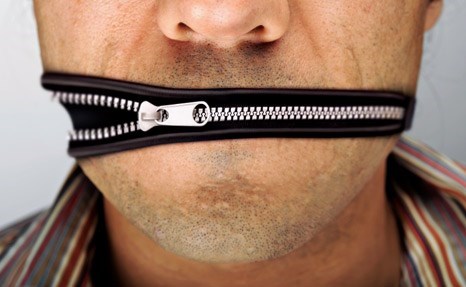
"חוק שוברים שתיקה" יאפשר לכל שר חינוך בהווה ובעתיד לפסול ארגונים שונים מסיבות שונות מלהופיע בפני תלמידים. יש לאפשר ולעמוד על חופש הביטוי גם במערכת החינוך.
חוק שוברים שתיקה
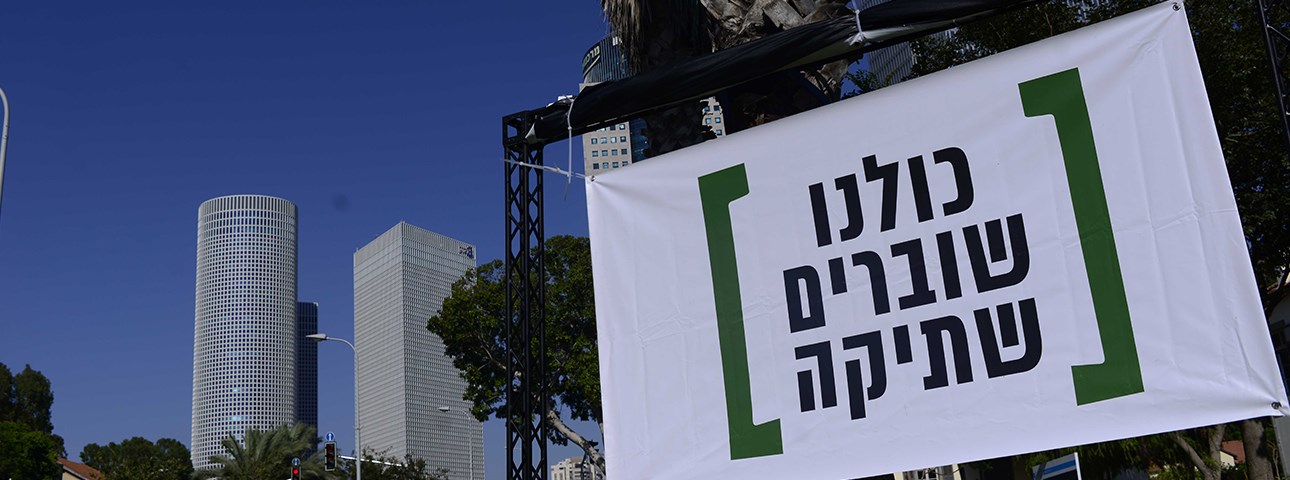
על רקע "חוק שוברים שתיקה", שעבר אתמול בקריאה ראשונה בכנסת, נשלחה חוות דעת הקוראת לשרים להצביע נגד החוק. ההצעה, מבקשת להרחיב את סמכותו של שר החינוך לפסול ארגונים שפעילותם מנוגדת לשיטתו למטרות החינוך הממלכתי, ואוסרת על ארגונים שבשל פעילותם תיתכן העמדה לדין של חיילי צה"ל בחו"ל או פגיעה "במעמדו וכבודו של צה"ל בחברה הישראלית״ להיכנס לשערי בתי הספר