

מאמרים, ספרים ואירועים בנושא Rule of Law
מאמרים

Advisory Committee on Senior Civil Service Appointments and Judicial Review on Security appointments
מאת: ד"ר אסף שפירא
When and why was the Advisory Committee on Senior Civil Service Appointments established, what are its powers, and which appointments is it supposed to review? In light of the High Court hearing on petitions against the appointment of Maj.-Gen. Roman Gofman as head of the Mossad, this explainer reviews the role and composition of the “Grunis Committee,” as well as the meaning of “integrity” in senior public appointments.

Explainer: The Proposals to “Split” the Role of the Attorney General
Against the backdrop of the bills currently under consideration in the Knesset, which are intended to split the role of the Attorney General, IDI experts explain what is at stake.

The Polish Precedent for Preventing the Attorney General from Entering Her Office
מאת: עו"ד דפני בנבניסטי
The Israeli Minister of Justice ordered the locks changed at the Tel Aviv office shared by the Attorney General, an action that blatantly violates the Supreme Court’s interim order prohibiting the dismissal of the Attorney General and any changes to the working arrangements between the government and the Attorney General.

Does Shin Bet chief Ronen Bar's dismissal endanger Israeli democracy?
מאת: פרופ' עמיחי כהן
Prime Minister Netanyahu has informed Israel Security Agency Shin Bet Director Ronen Bar of his decision to fire him. Netanyahu cited his mounting lack of confidence in Bar as grounds for his dismissal. KAN's Mark Weiss spoke about the prime minister’s decision to dismiss Ronen Bar with Prof Amichai Cohen, a Senior Fellow at the Israel Democracy Institute.

Four Comments on the Decision to Dismiss the Head of the Shin Bet
מאת: פרופ' סוזי נבות
On March 16, 2025, Prime Minister Netanyahu announced his intention to bring the dismissal of Ronen Bar, the head of the Israeli Security Agency (Shin Bet), Israel's internal security service, to a vote of the full cabinet. Though not a perfect comparison, the Shin Bet is often seen as comparable to the FBI in the US.

Bill Proposal: Ombudsman of the Israeli Judiciary (Amendment – Appointment of the Ombudsman), 2024
The proposed bill, which would change the selection process of the Ombudsman - responsible for investigating complaints about the conduct of judges and religious court judges - aims to intimidate judges and undermine their independence.

What is the Significance of the Justice Minister’s Declaration that he Will Not Cooperate with the President of the Supreme Court?
מאת: ד"ר גיא לוריא
The lack of cooperation between the Minister of Justice and the President of the Supreme Court has numerous consequences that will, among other things, harm the services provided by the judiciary to the citizens of Israel.

A Legitimate Supreme Court President
מאת: ד"ר גיא לוריא
Following Justice Isaac Amit's selection as Supreme Court President, Minister of Justice Levin immediately declared he would refrain from any collaboration between them, describing the selection process as unlawful. This announcement is both factually incorrect and a serious dereliction of his duties.

Ministers Levin and Saar's Proposed Changes to the Judicial Selection Committee
מאת: ד"ר גיא לוריא
Justice Minister Yariv Levin and Foreign Minister Gideon Sa’ar presented their proposed changes to the composition of the Judicial Selection Committee (JSC) as a compromise aimed at achieving a gradual change in the judicial selection process, but many constitutional experts worry that the plan will have dire consequences resulting in the politicization of Israel’s judicial selection process.

The Takeover of Law Enforcement and Security Agencies as a Pivotal Factor in Democratic Decline | A Comparative Analysis
מאת: ד"ר נדב דגן, עו"ד ספיר פז
Law enforcement and security agencies are central pillars of democratic rule, and therefore, their capture is a pivotal factor in democratic decline. A comparative analysis by IDI experts reveals that this takeover is often achieved quietly while striving to present all steps as lawful.

IDI Survey: Most Jewish Israelis feel safer in a scenario with high number of civilian firearms; most Arabs feel less safe
מאת: Viterbi Family Center for Public Opinion and Policy Research, Center for Security and Democracy
The Center for Security and Democracy and the Viterbi Center for Public Opinion and Policy Research at the Israel and personal security—the present release focuses on internal security; a press release will follow tomorrow focusing on national security.

The Two Coalitions Israel Needs Now
מאת: יוחנן פלסנר
It is increasingly clear that Israel’s future depends on the forging of two coalitions. One is a multinational alliance determined to turn the Palestinian issue from a driver of conflict into an engine of peace. The other, is an internal Israeli coalition ready to pursue a series of bold social, economic, and political reforms.

The Sde Teiman HCJ Judgment: Too Little, Too Late?
A recent judgment of the Israeli Supreme Court held that conditions in a notorious detention center must comply with Israeli law.

Constitutional Crisis – Definitions, Precedents, Implications
Recently, Israel has faced a number of situations that could lead to a constitutional crisis. What is a constitutional crisis and why is it dangerous for the stability of democracy? IDI experts explain.

Fear of Politicization of Police Prosecution: A Sign to Separate from the Police
מאת: ד"ר גיא לוריא
To protect the credibility of the police as an impartial law enforcement agency, independent oversight over the police prosecution unit - the police unit that issues criminal charges - must be increased through the Attorney General's office.

Understanding the Supreme Court's Ruling: Selection of the Supreme Court President
מאת: ד"ר גיא לוריא
The Israeli Supreme Court recently issued a pivotal ruling, instructing the Minister of Justice to convene the Judicial Selection Committee and select a new President of the Supreme Court. This decision come after nearly a year in which this permanent position has remained vacant.

The Security Cabinet Should Play a Greater Role in Determining Hostage Negotiations
The Prime Minister’s decision to retain the power to determine the parameters and scope of the hostage deal as a “policy issue” disregards the implications such a deal has on security issues. Israeli history underscores the importance of convening the security cabinet and upholding the appropriate democratic channels in times of war.

The Role of the Attorney General and Government Conduct
מאת: ד"ר גיא לוריא, עו"ד ענת טהון אשכנזי, עו"ד דפני בנבניסטי
In recent days the Attorney General has issued several warnings that decisions are being made using "flawed work processes." This explainer provides an overview of the role and importance of the Attorney General in Israeli democracy, and the current criticism directed by the AG at the government.

Haredi Yeshiva Students Are Being Called to IDF Enlistment Centers. What’s Next?
מאת: עו"ד שלומית רביצקי טור-פז, ד"ר ערן שמיר-בורר, עו"ד מירית לביא
On Monday August 5, 2024 and Tuesday August 6, 2024—900 ultra-Orthodox yeshiva students were required to present themselves at IDF enlistment centers. Shlomit Ravitsky Tur-Paz, Dr. Eran Shamir-Borer and Mirit Lavi explain the next steps the IDF will need to take in order to enforce the legal obligation of conscription.

Even Against Terrorists – The Rule of Law Prevails
The rule of law is a fundamental democratic principle, meaning that all governing bodies are subject to and must comply with the law. Despite the complexities inherent in ongoing war, this is true also of the IDF, and only decisive action against breaches of conduct may protect the rule of law in Israel and Jewish morality.

Advisory Opinion of the International Court of Justice on the Legal Consequences of Israel's Policies and Practices in the "Occupied Palestinian Territory"
An in-depth analysis of the advisory opinion of the ICJ on the legal consequences of Israel's policies and practices in the 'occupied Palestinian territory.'

Haredi Enlistment According to the Supreme Court Justices: "We intend to decide"
מאת: פרופ' סוזי נבות
The discussion in the Supreme Court yesterday was not about whether a law exempting yeshiva students harms the principle of equality. It was about a much more basic question: is the State of Israel acting in accordance with the principle of the rule of law—that is, can yeshiva students be exempted from enlisting in the IDF, when there is no law allowing for this.
Continue to Stand Guard: Israel's Decline in Global Democracy Metrics is Troubling, but Not Catastrophic
מאת: ד"ר אסף שפירא
V-Dem's latest report downgraded Israel's status from a "liberal democracy" to an "electoral democracy." The change in Israel's category is concerning, but on its own, it does not necessarily indicate a clear democratic decline.

Appointment of Judges to High Courts in Democratic Countries: A Comparative Study
The research examined 42 countries included all the OECD member states along with other leading democratic countries.

The Coalition Agreements of Israel's 37th Government: The Appointment of Legal Advisors in Government Ministries
מאת: ד"ר גיא לוריא
Turning ministry legal advisors into political appointees will deprive them of their ability to protect the rule of law and will reduce public trust in the ministries.

Ultra-Orthodox Non-Compliance Rests on Fear
מאת: ד"ר שוקי פרידמן
In the second wave of the pandemic it seems that many ultra-Orthodox rabbis are assigning higher priority to 'customer retention' than to the clear halakhic imperative to preserve health and life

An Organized Civil Disobedience Campaign
מאת: פרופ' ידידיה שטרן
Rabbi Kanievsky’s decision to disregard the law and open ultra-Orthodox schools is the first time in Israeli history that we are seeing something that approaches a call for mass civil disobedience orchestrated by a key public figure.

Half of Israelis Favor Applying Sovereignty
The Israeli Voice Index for May 2020 found that 50% of the public supports applying Israeli sovereignty over parts of the West Bank (Judea and Samaria) with the U.S. administration’s support (25%) and without American backing (25%)

The Rule of Law Over the Ruler
מאת: פרופ' ידידיה שטרן
It's one of democracy's substantial achievements: just like every citizen, Netanyahu will stand before 3 judges, whose task is to decide whether he is innocent or guilty

The Alternative Government
IDI researchers testified before the Knesset's Special Committee: Personal and retroactive changes should not be made to legislation regarding the Prime Minister's legal status

Israel's Democracy in the Time of Corona
IDI's management convened an online 'town hall' with Yohanan Plesner, Yuval Shany, Karnit Flug and Jesse Ferris to discuss the political, constitutional and economic fallout from the corona crisis, and IDI’s unique role in addressing it.

What’s at Stake in This Election?
מאת: פרופ' ידידיה שטרן
A 3-pronged plan to change the balance of power in government threatens everyone who cares about human rights, regardless of politics
Immunity for the Prime Minister: Explainer
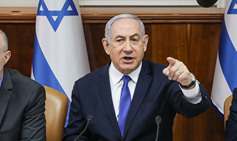
IDI experts explain Israel’s immunity law, what happens when it’s requested and what the implications may be for the political system.

Israeli Voters - Not Judges
מאת: פרופ' ידידיה שטרן
Israeli Voters, Not Judges, Must Determine Who Will Lead the Country Next
Remove Netanyahu Right Now on Grounds of Temporary Incapacity
מאת: פרופ' יובל שני
There's an unacceptable, extreme conflict of interest between Netanyahu the accused and Netanyahu, head of the executive branch
Do Not Turn the Knesset into a Sanctuary from the Law
IDI experts issue a statement calling for the Knesset to form a special House Committee to debate immunity
Despite The Election Tumult, Israeli Democracy Dodged A Bullet
מאת: יוחנן פלסנר
Coalition negotiations continue and Israel does not yet have a government - but one thing is certain - Israeli democracy dodged a bullet.
The Rule of Law: The Attack on the Principle of “All are Subject to the Law” in Israel
מאת: ד"ר עמיר פוקס
Like all democracies, the principle of the "Rule of Law" exits in Israel. In recent years, there have been quite a few attempts to overcome this tenant, potentially causing long-lasting damage to public confidence in the justice system. Dr. Fuchs explains.

A Majority of Israelis Prefer a Unity Government
September 2019 Israeli Voice Index found that a majority of Israelis prefer a unity government. Additionally the majority of Israelis do not think the State should offer Benjamin Netanyahu a plea bargain or that he would agree to one.
The Knesset and the Court: Is This Israel’s Override Election?
מאת: יוחנן פלסנר
"This election will be less about which candidate ends up as prime minister, but rather the real possibility of radical judicial reforms that might soon pass in the Knesset and which would limit the Supreme Court’s ability to perform crucial oversight over the political system."
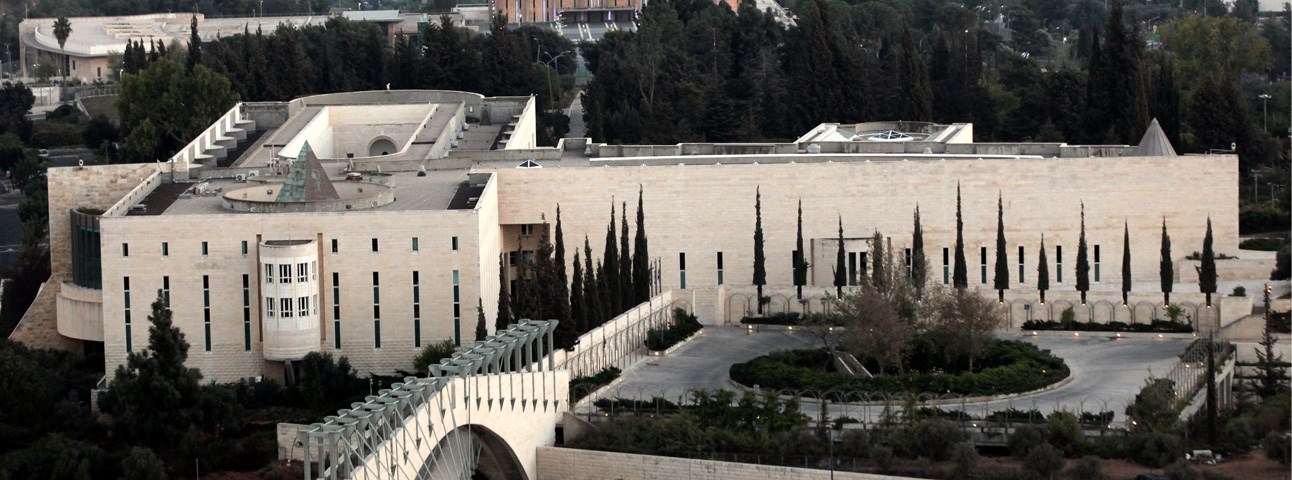
The Supreme Court Doesn't "Tie Hands"
מאת: ד"ר עמיר פוקס
On claims that the High Court ties the security establishment's hands, Dr. Amir Fuchs says "the truth is that when authoritative figures from the defense establishment appear before the court to support some important security requirement, the court almost always adopts their argument".
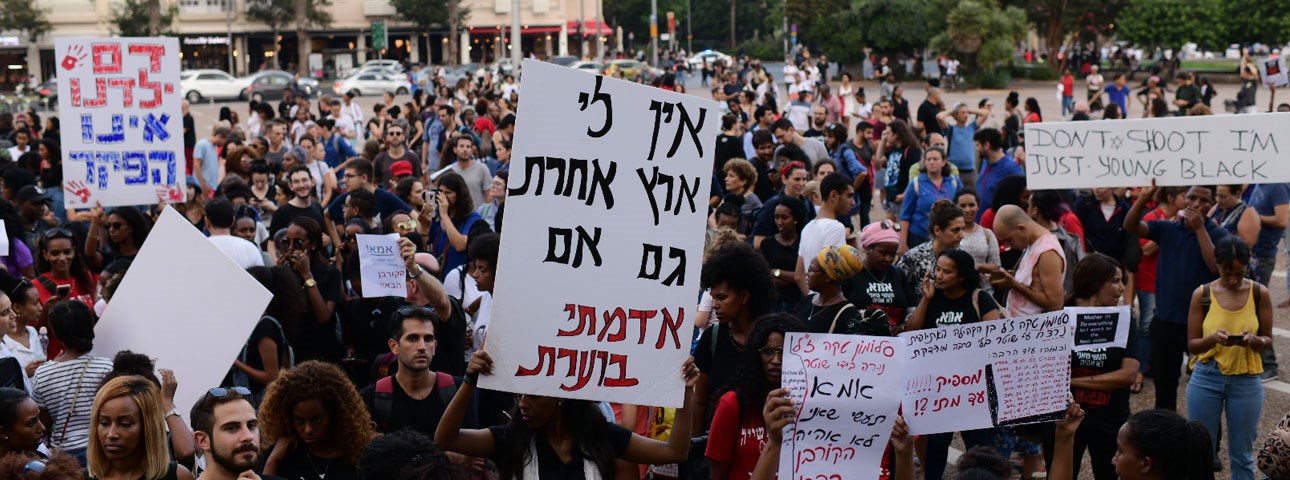
Why are the Ethiopian Israelis Angry?
מאת: פרופ' תמר הרמן
Only rarely can a protest totally uproot racism and discrimination, but a strong leadership can negotiate for change
Everything you Wanted to Know About the Immunity Law
IDI experts provide an overview to the proposed Immunity Law that would grant members of Knesset automatic immunity from criminal prosecution

Keep Politics Out of Corruption!
מאת: פרופ' יובל פלדמן
Supporters of this government show increasing tolerance for graft, and this is a red flag for the rule of law in Israel.

The Black Friday of the Right to Privacy
Black Friday is a good reminder that that in order to protect our privacy as well as minimize the use of personal data to influence our ability to make free choices, there needs to be a change in consumers’ habits as well as increased digital literacy.

Understanding How Bibi's 'Gift Affair' Might Have Happened
מאת: Jerusalem Post, פרופ' יובל פלדמן
In an interview Prof. Yuval Feldman, discusses his new book "The Law of Good People" and sheds light on the connection between good people and corruption.
נגן
The Nation State Bill Bias
מאת: ד"ר עמיר פוקס
How can Israel - a light to the nations, and homeland for the Jewish People, fail to embrace equality for all, alongside commitment to the diaspora?

The Conscription Plan: Taking the Easy Route to Inequality
מאת: ד"ר גלעד מלאך
Though many ultra-Orthodox politicians expressed outrage at the original publishing of this new bill, some view the proposal as a double achievement.

Clarifying the IDF’s Record During the Gaza Riots
מאת: יוחנן פלסנר
Israel’s supporters, who have the nation’s best interests at heart, should resist the urge to engage in partisan smear campaigns that attempt to tarnish the reputations of patriots who are on the frontlines of the struggle for Israel’s legitimacy as a Jewish and democratic state. We have enough enemies on our borders.

A Betrayal of International Law
מאת: פרופ' מרדכי קרמניצר
In a Jerusalem Post op-ed, Prof. Mordechai Kremnitzer argues that by breaching their responsibility to be impartial, the UN Human Rights Council and its commission for investigating alleged war crimes in Gaza are betraying international law, even if unintentionally.

Investigating Allegations of Violations of the Laws of War by the IDF during Operation Protective Edge: The Alternatives Available to Israel
How should suspected violations of the international laws of war be investigated? As Operation Protective Edge winds down, Prof. Yuval Shany and Prof. Amichai Cohen discuss the options of an internal investigation by the IDF, an international investigation, and an Israeli commission of inquiry.

Education for Democracy as a Remedy for Violence
מאת: ד"ר עמיר פוקס
Attorney Amir Fuchs asserts that educating Israeli students regarding democracy and civics from a young age and throughout their education is the best way to prevent hatred, violence, and racism.

A Red Alert for Israeli Democracy
מאת: יוחנן פלסנר
In the midst of Operation Protective Edge, IDI President Yohanan Plesner warns of the dangers of racism, incitement, and stifling of free speech and asserts that it is essential to internalize a substantive democratic culture.

Ultra-Orthodox Integration: It Takes Two to Tango
מאת: ד"ר חיים זיכרמן
In an op-ed in Ynet News, IDI researcher Dr. Haim Zicherman discusses the steps that Israeli society must take in order to enable ultra-Orthodox men to integrate into the Israeli army and workforce.

The "Anti-Pardon" Bill: Laws are not a Substitute for a Backbone
מאת: ד"ר עמיר פוקס
In an article in <em>The Times of Israel</em>, Attorney Amir Fuchs argues that legislation that would give judges the authority to sentence murderers to life in prison with no possibility of pardon is misguided and will not prevent terrorists from being released in future prisoner exchanges.

The Holyland Sentencing and the Fight against Government Corruption
מאת: פרופ' מרדכי קרמניצר
In an op-ed in <em>Haaretz</em> published after Ehud Olmert was sentenced to six years in prison, Prof. Mordechai Kremnitzer explores the implications of the Holyland case for the battle against corruption in Israel.

The Presidency: The “Additional Soul” of Israeli Democracy
מאת: ראובן (רובי) ריבלין
Former Speaker of the Knesset MK Reuven (Ruby) Rivlin shares his views on the importance of the institution of the Israeli presidency, as part of an exclusive IDI series of articles by the presidential candidates of 2014.

The Holyland Sentencing: A Faithful City?
מאת: פרופ' ידידיה שטרן
In an article in <em>Makor Rishon</em>, Prof. Yedidia Stern describes his feelings of sadness, pride, apprehension, and hope upon the sentencing of Ehud Olmert to prison for his role in the Holyland affair.

The Struggle against Government Corruption
מאת: פרופ' מרדכי קרמניצר
In an op-ed in <em>Haaretz</em>, Prof. Mordechai Kremnitzer discusses government corruption in Israel and the implications of the Holyland verdict for deterring such corruption in the future.

On Leadership and Responsibility: The Lessons of the Purim Story
מאת: Shira Ruderman, Benjamin (Benny) Lau
Rabbi Dr. Benny Lau and Shira Ruderman, Israel Director of the Ruderman Family Foundation, share thoughts on the Purim story, leadership, responsibility, and repair of the world.

Do You Have to Earn Dignity?
מאת: פרופ' תמר הרמן
Is dignity something that must be earned? Prof. Tamar Hermann, Head of IDI's Guttman Center for Surveys, explores this question, as IDI's Israel Speaks project assembles 200 citizens to begin drafting a Declaration of Human Dignity.
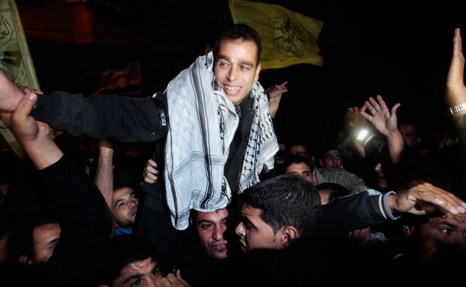
Releasing Terrorists: An Insult to the Criminal Justice System
מאת: ד"ר עמיר פוקס
In an article in <em>Haaretz</em>, attorney Amir Fuchs explains why he believes the release of convicted terrorists as part of prisoner release deals or as part of diplomatic negotiations degrades Israel's criminal justice system.

Regulating Bedouin Settlement: A Disengagement Plan for the Negev
מאת: Ronit Levine-Schnur
Ronit Levine-Schnur analyzes the Bill to Regulate Bedouin Settlement in the Negev 5773–2013, warns that it seems to be motivated by an exaggerated fear of a Bedouin takeover of the Negev, and offers an alternative approach.
IDI President Dr. Arye Carmon on the Ehud Olmert Verdict
מאת: ד"ר אריק כרמון
In this video interview, IDI Former President and Founder Dr. Arye Carmon responds to Former Prime Minister Ehud Olmert's acquittal of most of the charges against him in July 2012.

Justice vs. Law: King Solomon and Ivan the Terrible
מאת: פרופ' ידידיה שטרן
The death of John Demjanjuk of natural causes at a ripe old age left many Israelis feeling that an opportunity for justice was missed. Did the Israeli legal system fail when it acquitted Demjanjuk of crimes against humanity? IDI Vice President Prof. Yedidia Stern distinguishes between justice and law, and expresses pride that the Israeli Supreme Court ruled as it did.
A Preemptive Strike on Iran: Who has the Authority to Decide?
מאת: Eyal Tsur, פרופ' מרדכי קרמניצר
As the world considers the threat of a nuclear Iran, Israeli public discourse has focused primarily on whether or not Israel should launch a preemptive strike on Iran's nuclear facilities. But who has the authority to decide whether a military operation should be conducted? In this article, IDI Vice President Prof. Mordechai Kremnitzer and researcher Eyal Tsur explore the strengths and weaknesses of the current division of responsibility regarding this matter, and recommend ways of improving the system.
Israel, A Unique Nation in the MidEast
מאת: Vernon Bogdanor
How should Israelis feel about the Katzav verdict? In this article from <em>The Jewish Chronicle</em>, Prof. Vernon Bogdanor of King's College in London, a member of IDI's International Advisory Council, asserts that the outcome of the trial can be a source of pride, since the mark of a constitutional democracy is that no one is above the law. At the same time, however, he warns that Israel needs to develop a culture of self-criticism in light of recent trends in attitudes towards the Arab minority.
Israeli Democracy Day: Yitzhak Rabin's Legacy for the Future
מאת: פרופ' ידידיה שטרן
In late 2009, a series of crimes were committed by individuals who hailed from different sectors of Israeli society—Russian, ultra-Orthodox, the settlers, and the Israeli upper class. These crimes were attributed to the actualization of traits stereotypically associated with the "tribe" of each perpetrator. In an op-ed in <em>Yedioth Aharonoth</em>, Prof. Yedidia Z. tern warns against public displays of tolerance that create a cultural "city of refuge" that condones such behavior, and calls on the leaders of each "tribe" to assume responsibility and take action to eradicate the negative behavior associated with their camp.
Dismantling Sectarian Cities of Refuge
מאת: פרופ' ידידיה שטרן
In an op-ed in Yedioth Aharonoth, IDI Vice President of Research Prof. Yedidia Z. Stern calls on the leaders of each "tribe"—Russian, ultra-Orthodox, settler, and upper class— to take action to eradicate the negative behavior stereotypically associated with their camp.

Attempts to Undermine the Justice System Have Now Reached the IDF
מאת: ד"ר ערן שמיר-בורר
A bill that would subordinate the professional work of IDF's highest legal authority to the IDF Chief of Staff, rather than the Attorney General, would have grave consequences for the rule of law, the IDF, and all who serve in it.

Immunity Flowchart
Prime Minister Benjamin Netanyahu has asked the Knesset for immunity from prosecution. What happens next? IDI experts lay out the next steps.
We expect our leaders to adhere to the highest ethical standards
מאת: יוחנן פלסנר
"The facts revealed yesterday by the police are deeply troubling. Faced with this reality, all those who consider themselves leaders in our community, must come forth and make their position clear, rejecting such conduct forthrightly, lest moral decay spreads through our civil service and public’s trust in the government plummets.”

The Nation State law
If Israel was founded as the state of the Jewish people, why is a nation-state law so problematic, having already toppled one government?